
fourcastnet
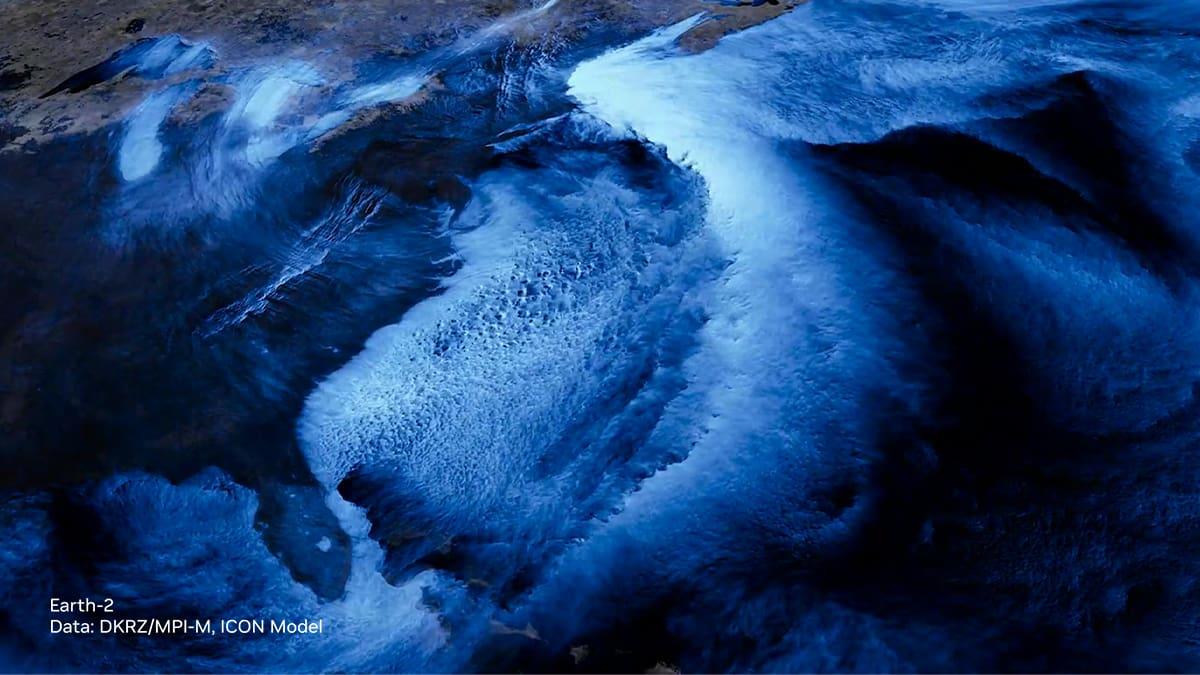
DownloadableFourCastNet predicts global atmospheric dynamics of various weather / climate variables.
Model Overview
Description
FourCastNet2 uses Spherical Fourier Neural Operator (SFNO) to predict a collection of surface and atmospheric variables such as wind speed, temperature and pressure and is applied to forecasting global atmospheric dynamics.
FourCastNet is a data-driven model that provides accurate short to medium-range global predictions at a time-step size of 6 hours with predictive stability for over a year of simulated time (1,460 steps), while retaining physically plausible dynamics.
This model is ready for commercial use.
Reference(s)
Model Architecture
Architecture Type: Neural Operator
Network Architecture: FourCastNet SFNO
Input
Input Type(s):
- Tensor (73 Surface & Atmospheric Variables)
- DateTime
Input Format(s): NumPy
Input Parameters:
- Four Dimensional (4D) (batch, variable, latitude, longitude)
- Input DateTime
Other Properties Related to Input:
- 0.25 degree latitude-longitude grid
- Input resolution: [721, 1440]
- Latitude Coordinates: [90, 89.75, 89.5, ..., -89.5, -89.75, -90]
- Longitude Coordinates: [0, 0.25, 0.5, ..., 359.25, 359.5, 359.75]
- Input weather variables: "u10m", "v10m", "u100m", "v100m", "t2m", "sp", "msl", "tcwv", "u50", "u100", "u150", "u200", "u250", "u300", "u400", "u500", "u600", "u700", "u850", "u925", "u1000", "v50", "v100", "v150", "v200", "v250", "v300", "v400", "v500", "v600", "v700", "v850", "v925", "v1000", "z50", "z100", "z150", "z200", "z250", "z300", "z400", "z500", "z600", "z700", "z850", "z925", "z1000", "t50", "t100", "t150", "t200", "t250", "t300", "t400", "t500", "t600", "t700", "t850", "t925", "t1000", "q50", "q100", "q150", "q200", "q250", "q300", "q400", "q500", "q600", "q700", "q850", "q925", "q1000"
Output
Output Type(s):
- Tensor (73 Surface & Atmospheric Variables)
Output Format(s): NumPy
Output Parameters:
- Four Dimensional (4D) (batch, variable, latitude, longitude)
Other Properties Related to Output:
- Time-delta of 6 hours from input array
- 0.25 degree latitude-longitude grid
- Output resolution: [721, 1440]
- Latitude Coordinates: [90, 89.75, 89.5, ..., -89.5, -89.75, -90]
- Longitude Coordinates: [0, 0.25, 0.5, ..., 359.25, 359.5, 359.75]
- Output weather variables: "u10m", "v10m", "u100m", "v100m", "t2m", "sp", "msl", "tcwv", "u50", "u100", "u150", "u200", "u250", "u300", "u400", "u500", "u600", "u700", "u850", "u925", "u1000", "v50", "v100", "v150", "v200", "v250", "v300", "v400", "v500", "v600", "v700", "v850", "v925", "v1000", "z50", "z100", "z150", "z200", "z250", "z300", "z400", "z500", "z600", "z700", "z850", "z925", "z1000", "t50", "t100", "t150", "t200", "t250", "t300", "t400", "t500", "t600", "t700", "t850", "t925", "t1000", "q50", "q100", "q150", "q200", "q250", "q300", "q400", "q500", "q600", "q700", "q850", "q925", "q1000"
Software Integration
Runtime Engine(s): Not Applicable
Supported Hardware Microarchitecture Compatibility:
- Ampere
- Hopper
- Turing
Supported Operating System(s):
- Linux
Model Version(s)
Model version: v1
Training, Testing, and Evaluation Datasets:
Training Dataset
Link: ERA5
Data Collection Method by dataset
- Automatic/Sensors
Labeling Method by dataset
- Automatic/Sensors
Properties (Quantity, Dataset Descriptions, Sensor(s)):
ERA5 data for the years of 1979-2017. ERA5 provides hourly estimates of various
atmospheric, land, and oceanic climate variables. The data covers the Earth on a 30km
grid and resolves the atmosphere at 137 levels.
Evaluation Dataset
Link: ERA5
Data Collection Method by dataset
- Automatic/Sensors
Labeling Method by dataset
- Automatic/Sensors
Properties (Quantity, Dataset Descriptions, Sensor(s)):
ERA5 data for the year of 2018. ERA5 provides hourly estimates of various atmospheric,
land, and oceanic climate variables. The data covers the Earth on a 30km grid and
resolves the atmosphere at 137 levels.
Inference:
Engine: Triton
Test Hardware:
- A100
- H100
- L40S
- RTX6000
Ethical Considerations:
NVIDIA believes Trustworthy AI is a shared responsibility and we have established policies and practices to enable development for a wide array of AI applications. When downloaded or used in accordance with our terms of service, developers should work with their supporting model team to ensure this model meets requirements for the relevant industry and use case and addresses unforeseen product misuse. For more detailed information on ethical considerations for this model, please see the Model Card++ Explainability, Bias, Safety & Security, and Privacy Subcards here. Please report security vulnerabilities or NVIDIA AI Concerns here.
License
This model is licensed under the NVIDIA AI Product Agreement. By pulling and using this model, you accept the terms and conditions of this license.
You are responsible for ensuring that your use of NVIDIA AI Foundation Models complies with all applicable laws.