
parakeet-ctc-0.6b-zh-tw
DownloadableRecord-setting accuracy and performance for Mandarin Taiwanese English transcriptions.
Speech Recognition: Parakeet
Description
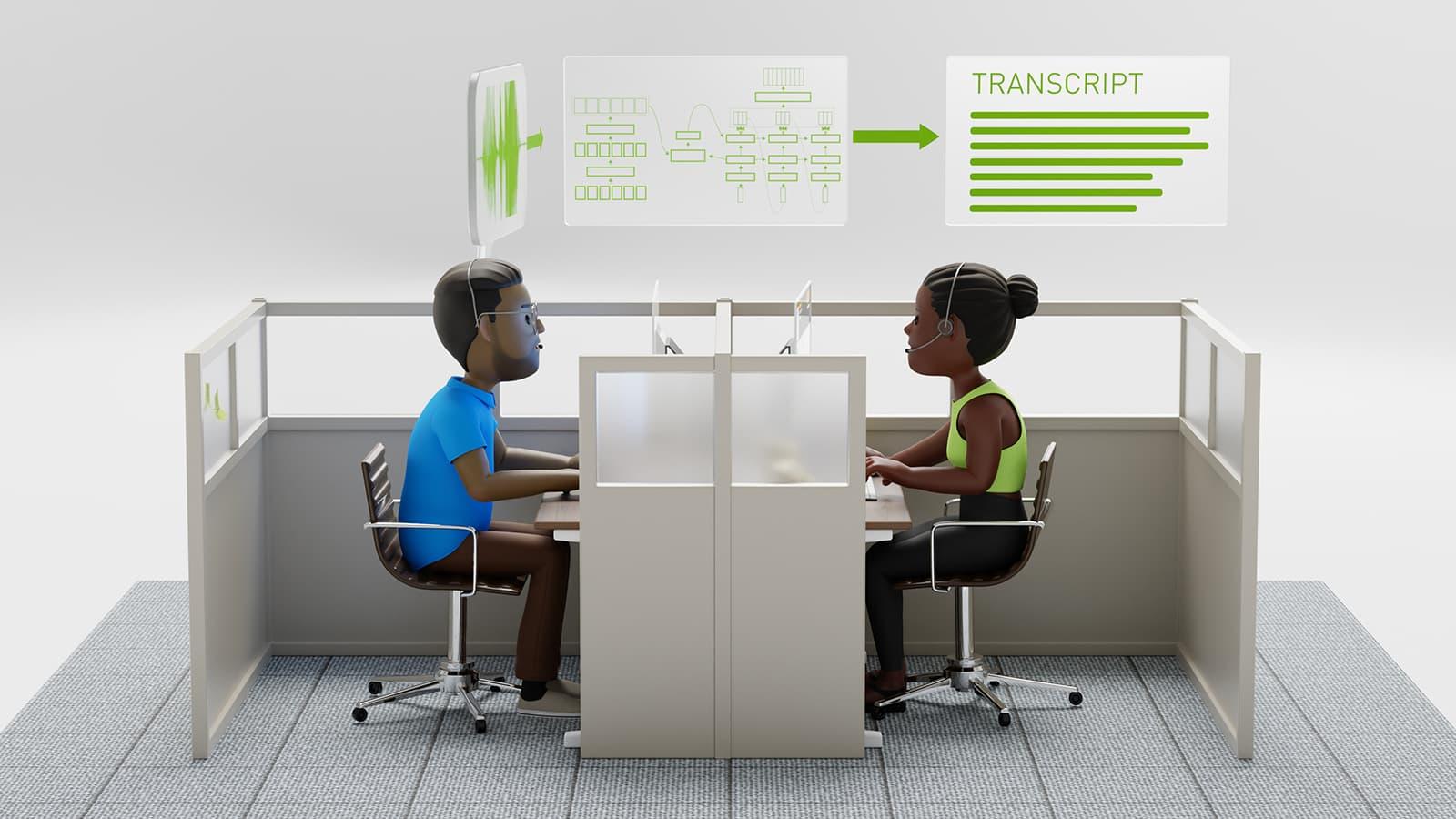
NVIDIA Parakeet-CTC-0.6B ASR Taiwanese Mandarin (600M parameters) is trained on an ASR dataset with around 90 hours of Taiwanese Mandarin (zh-TW) speech. The model transcribes speech in Taiwanese Mandarin (Traditional Chinese), in upper case and lower case alphabets along with spaces. While the model does not transcribe text with punctuation (period, comma, and question mark), the fused Language Model (LM) decoding may attempt to provide punctuation capabilities.
This model is ready for commercial use.
License/Terms of Use
Deployment Geography:
Global
Use Case:
This model serves developers, researchers, academics, and industries building applications that require speech-to-text capabilities, including but not limited to: conversational AI, voice assistants, transcription services, subtitle generation, and voice analytics platforms.
Release Date:
Build.Nvidia.com 10/09/2025 via [URL]
NGC 10/09/2025 via [URL]
References
[1] Fast Conformer with Linearly Scalable Attention for Efficient Speech Recognition
[2] Fast-Conformer-CTC Model
[3] Conformer: Convolution-augmented Transformer for Speech Recognition
Model Architecture
Architecture Type: Parakeet-CTC (also known as FastConformer-CTC) [1], [2], which is an optimized version of the Conformer model [3], features 8x depthwise-separable convolutional downsampling with CTC loss.
Network Architecture: Parakeet-CTC-XL-0.6B
This model was developed based on FastConformer architecture.
This model has 600 million model parameters.
Input
Input Type(s): Audio
Input Format: wav
Input Parameters: One-Dimensional (1D)
Other Properties Related to Input: Maximum Length in seconds specific to GPU Memory, No Pre-Processing Needed, Mono channel is required.
Output
Output Type(s): Text
Output Format: String (in Mandarin and English)
Output Parameters: One-Dimensional (1D)
Other Properties Related to Output: No Maximum Character Length, Does not handle special characters.
Our AI models are designed and/or optimized to run on NVIDIA GPU-accelerated systems. By leveraging NVIDIA’s hardware (e.g. GPU cores) and software frameworks (e.g., CUDA libraries), the model achieves faster training and inference times compared to CPU-only solutions.
How to Use this Model
The Riva Quick Start Guide is recommended as the starting point for trying out Riva models. For more information on using this model with Riva Speech Services, see the Riva User Guide.
Suggested Reading
Refer to the Riva documentation for more information.
Software Integration
Runtime Engine(s):
- Riva 2.19.0 or higher
Supported Hardware Microarchitecture Compatibility:
- NVIDIA Ampere
- NVIDIA Hopper
- NVIDIA Jetson
- NVIDIA Turing
- NVIDIA Volta
[Preferred/Supported] Operating System(s):
- Linux
- Linux 4 Tegra
The integration of foundation and fine-tuned models into AI systems requires additional testing using use-case-specific data to ensure safe and effective deployment. Following the V-model methodology, iterative testing and validation at both unit and system levels are essential to mitigate risks, meet technical and functional requirements, and ensure compliance with safety and ethical standards before deployment.
Model Version(s):
Parakeet-CTC-XL-0.6b_zh-TW_1.0
Training and Evaluation Datasets:
Training Dataset
Data Modality
- Other: Speech
Text Training Data Size
Less than a Billion Tokens
Non-Audio, Image, Text Training Data Size
The model was trained approximately 90 hours of Taiwanese Mandarin speech data:
- Common Voice Corpus 20.0
- TechOrange-Podcast
Data Collection Method by dataset
- Human
Labeling Method by dataset
- Human
Properties:
This model is trained on around 90 hours of Taiwanese Mandarin (zh-TW) speech, comprised of a dynamic blend of public and internal proprietary datasets.
Evaluation Dataset
Data Modality
- Other: Speech
Text Evaluation Data Size
Less than a Billion Tokens
Non-Audio, Image, Text Evaluation Data Size
The model was evaluated approximately 17.5 hours of Taiwanese Mandarin speech data:
- Common Voice Corpus 20.0
- TechOrange-Podcast
- NV-zh-tw-subtitle
Data Collection Method by dataset
- Human
Labeling Method by dataset
- Human
Properties:
A dynamic blend of public and internal proprietary datasets.
Inference
Acceleration Engine: Triton
Test Hardware:
- NVIDIA A10
- NVIDIA A100
- NVIDIA A30
- NVIDIA H100
- NVIDIA Jetson Orin
- NVIDIA L4
- NVIDIA L40
- NVIDIA Turing T4
- NVIDIA Volta V100
Ethical Considerations
NVIDIA believes Trustworthy AI is a shared responsibility and we have established policies and practices to enable development for a wide array of AI applications. When downloaded or used in accordance with our terms of service, developers should work with their supporting model team to ensure this model meets requirements for the relevant industry and use case and addresses unforeseen product misuse.
For more detailed information on ethical considerations for this model, please see the Model Card++ Bias, Explainability, Safety & Security, and Privacy Subcards here.
Please report model quality, risk, security vulnerabilities or NVIDIA AI Concerns here.